
Building an AI Job Publishing Studio with Vibe Engineering
Designed and shipped a business-ready publishing studio that turns URLs, raw text, and Telegram messages into WordPress-ready job posts with integrated social distribution and credit monetization.
Project Overview
Client: Notodoanimacion Studio
Role: Product Engineer (AI Workflow, Publishing Automation, Integrations)
Timeline: 6 weeks
Business Outcomes:
Turned a fragmented multi-tool process into one operational publishing loop
Reduced manual formatting with AI-assisted extraction and editorial composition
Enabled faster go-live from source intake to WordPress publish and social sharing
Added revenue infrastructure through credit packs and Stripe automation
Embedded production controls for reliability, security, and safer scaling

Main landing experience focused on speed-to-publish and clear conversion flow.
The Business Problem
The team had a growth bottleneck: publishing quality job content required too many manual handoffs. A single post often involved scraping, text cleanup, CMS formatting, taxonomy matching, and separate social drafting. This slowed time-to-publish and made consistency hard to maintain as volume increased.
Input arrived from different channels (URL, pasted text, Telegram) with uneven quality
Operators still had to reformat and reconcile missing metadata manually
Editorial review was required, but the workflow was slow and repetitive
Social distribution demanded rewriting similar content for each platform
Monetization had to feel native to usage, not disruptive to publishing flow
Solution Strategy: Fast Iteration with Operational Discipline
I used a vibe engineering approach to move fast, but each release was anchored to production requirements. The target was not just feature velocity. The target was a workflow operators could trust every day.
The system was designed as one continuous pipeline: intake (URL/text/Telegram) -> AI structuring -> editorial compose/review -> WordPress publish -> social distribution.
Execution Approach
Delivery moved in short loops: build, test against real publishing scenarios, refine, and harden. This kept momentum high while preventing prototype decisions from leaking into production behavior.
- Rapid releases for core publishing flow and operator-facing UX
Validation against real destination constraints (WordPress post types and taxonomies)
Guardrail-first hardening for billing, webhooks, content safety, and endpoint protection
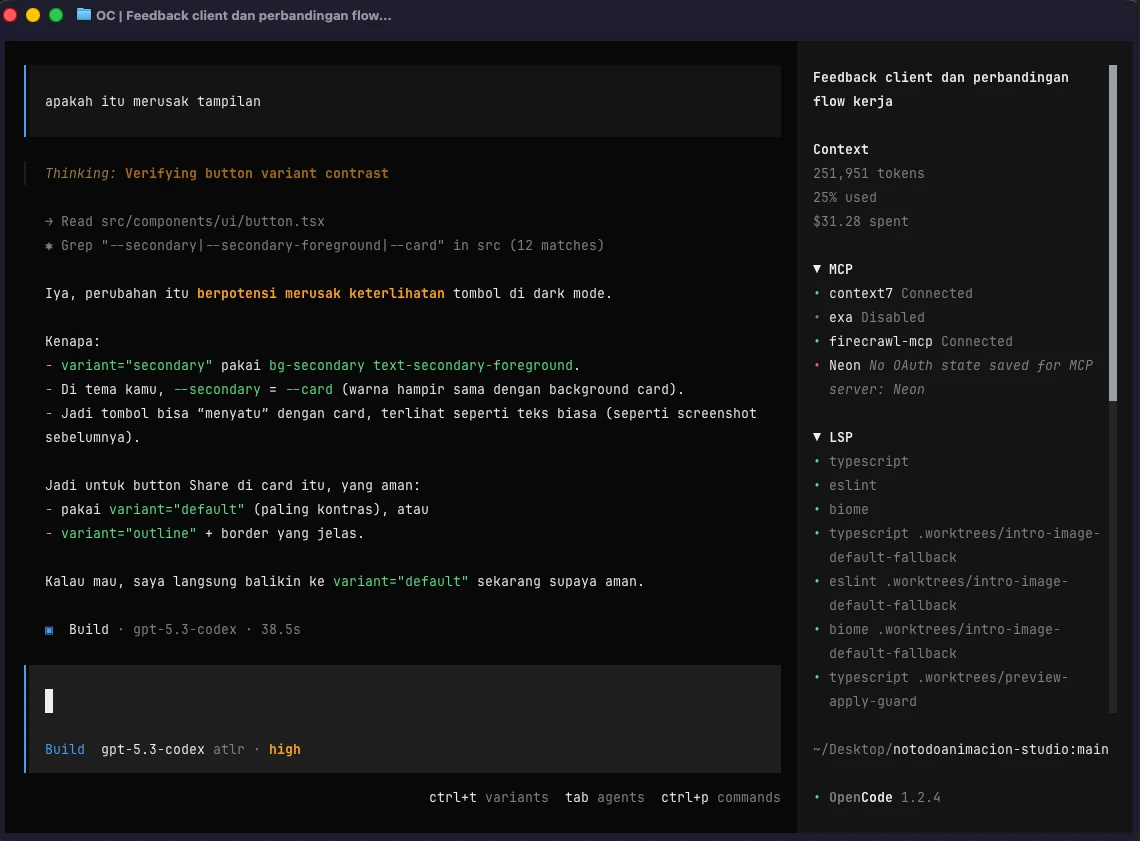
Fast implementation loops paired with review and reliability checks.
Implementation Breakdown
1) Multi-Channel Intake and Reliable Extraction
I built three intake paths (URL, raw text, Telegram commands) into one processing entry point. For URL scraping, extraction uses a dual strategy: Firecrawl as primary and Jina as fallback, which improves reliability when source pages vary in structure.
AI extraction is constrained by destination context, especially for
job_listing flows, so structured output remains compatible with
publish targets.
2) Editorial Layer for Publish-Ready Consistency
Raw extraction alone was not enough for quality control. I added editorial composition logic for cleaner intros, stronger section flow, CTA placement, and safer outbound link behavior. Template guards prevent duplicate editorial blocks.
3) WordPress Publishing and Social Distribution
Publishing supports both standard WordPress posts and job listings with destination-aware metadata mapping. After publishing, teams can generate platform-specific captions, attach media, and distribute across active channels: Facebook, Instagram, LinkedIn, YouTube, and TikTok.
Social account sync and distribution orchestration are powered by
Repliz (affiliate link)
.
4) Monetization and Product Controls
I introduced credit-based monetization with three purchasable packs, Stripe checkout, webhook reconciliation, and transaction tracking. Usage is tied directly to post creation, creating a clear value-to-payment model.
Feature flags were also used to keep roadmap controls explicit. Core workflow shipped now, while selected expansions are staged for later rollout to protect stability.
Want to build a similar publish-and-distribute system for your business? Let’s discuss your workflow.
5) Reliability and Security Guardrails
Production safety includes content sanitization, SSRF checks on scraping endpoints, encrypted credential storage, webhook signature verification, and rate limiting on sensitive routes. These controls were treated as core product work, not post-launch patches.
Outcome and Product Impact
The final result transformed a fragmented publishing process into a repeatable business system: intake, structure, review, publish, distribute, and monetize in one place.
- 3 input channels unified into one publishing workflow
2-layer scraping fallback improved resilience on inconsistent source quality
- 5 active social channels integrated into post-publish operations
- 3 Stripe-backed credit packs enabled a clear monetization path
Security and reliability controls embedded from the first release cycle
Biggest business win: compressing a slow multi-tool process into one product loop teams can run daily with confidence.